5813 Centre Ave, Pittsburgh, PA 15206


Teeth Whitening Results in Pittsburgh, PA
You invested in a brighter smile — and it looked amazing. But a few months later, that dazzling white is already fading. If you’re a Bloomfield resident wondering why your teeth whitening results fade and how to make them last, you’re not alone. Understanding the real reasons behind discoloration helps you protect your results far longer. At Omni Dental Shadyside, Dr. Justin Hanlon helps Pittsburgh patients keep their smiles bright with practical, proven guidance.
How Long Do Teeth Whitening Results Actually Last in Bloomfield?
Most professional whitening treatments deliver results that last between six months and two years. That wide range isn’t random — it depends almost entirely on your daily habits. Patients who follow post-whitening care guidelines consistently see results on the longer end of the spectrum. Those who return to old habits often notice fading within just a few months.
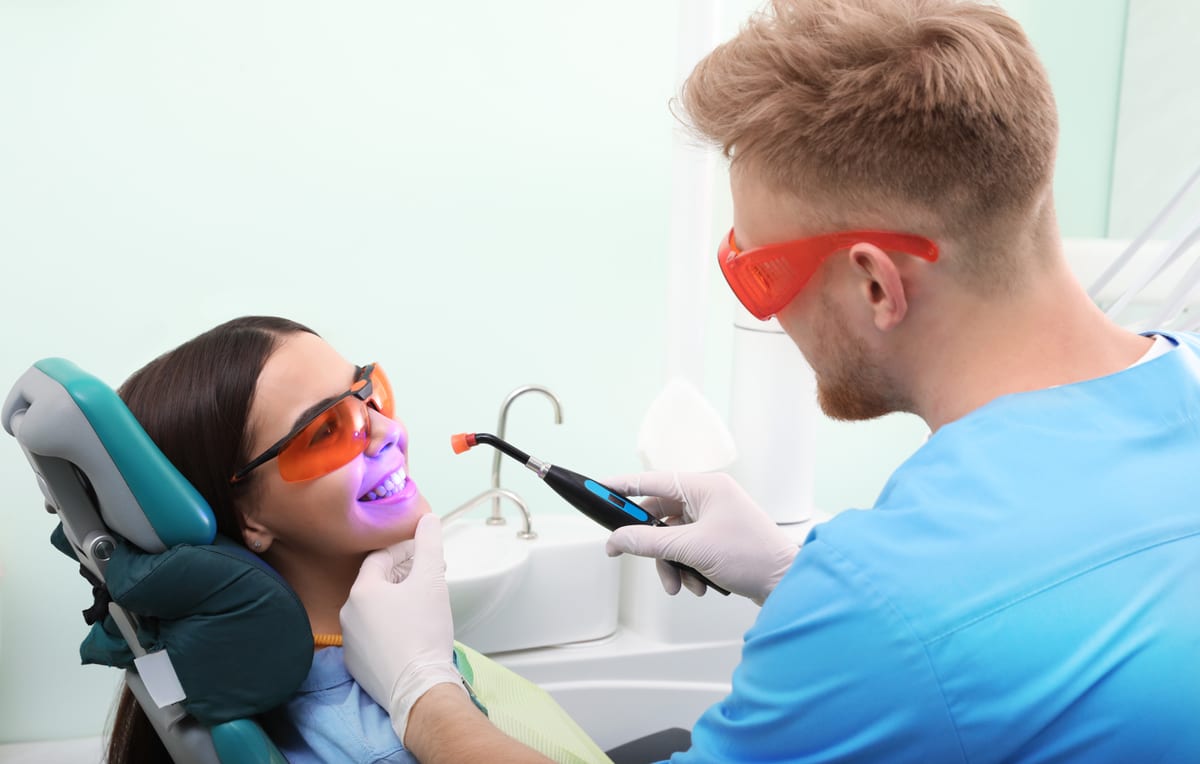
At-home whitening kits typically fade faster than in-office treatments. Professional-grade treatments penetrate the enamel more deeply. They also use stronger, more stable whitening agents. This is why starting with a professional consultation makes a meaningful difference in how long your results hold.
The structure of your enamel also plays a role. Thinner or more porous enamel absorbs staining compounds more quickly. Dr. Hanlon assesses your enamel health before recommending a whitening approach that suits your specific smile.
The Habits That Shorten Your Whitening Results the Most
Certain foods and beverages are the biggest culprits behind fading whiteness. Coffee, red wine, tea, and dark sodas contain chromogens — intensely pigmented compounds that cling to enamel. Consuming these regularly after whitening accelerates discoloration noticeably. Even one or two cups of coffee per day can dull results within weeks.
Smoking and tobacco use are equally damaging to whitened teeth. Nicotine and tar penetrate enamel quickly. They leave behind yellowish-brown deposits that are notoriously stubborn. Patients who smoke often find their results fade two to three times faster than non-smokers.
Acidic foods like citrus fruits, vinegar-based dressings, and carbonated beverages also contribute. Acid temporarily softens enamel and makes it more porous. During that window, pigment from other foods absorbs more easily. This creates a compounding effect that speeds up the fading process.
- Coffee and tea — consumed daily, these stain enamel gradually but consistently
- Red wine — rich in tannins and chromogens that bind to tooth surfaces
- Tobacco products — nicotine and tar cause deep, fast-developing discoloration
- Dark berries and juices — blueberries, pomegranate, and grape juice all stain heavily
- Soy sauce and balsamic vinegar — dark condiments contribute more than most people realize
- Carbonated drinks — even clear sodas increase enamel porosity through acidity
Practical Maintenance Tips to Make Your Whitening Last Longer
You don’t have to give up your morning coffee entirely. Small changes in how you consume staining beverages make a significant difference. Drinking coffee or tea through a straw reduces direct contact with your teeth. Rinsing your mouth with water immediately after consuming staining foods also helps neutralize pigment before it sets.
Brushing with a whitening toothpaste maintains surface brightness between professional treatments. Look for formulas with gentle abrasives and hydrogen peroxide. Avoid toothpastes that are overly abrasive, as they can gradually damage enamel. Your dental team can recommend a product that balances whitening effectiveness with enamel safety.
Touch-up treatments are another smart strategy. Many patients schedule brief whitening touch-ups every six to twelve months. This keeps results consistent without requiring a full treatment each time. Dr. Hanlon can design a maintenance schedule tailored to your lifestyle and whitening goals.
- Use a straw when drinking coffee, tea, or dark beverages
- Rinse with water after consuming staining foods or drinks
- Brush twice daily with a dentist-approved whitening toothpaste
- Floss daily to remove plaque that traps pigment between teeth
- Schedule professional cleanings every six months to remove surface stains
- Book periodic whitening touch-ups to maintain consistent brightness
- Avoid tobacco products to prevent rapid, deep staining
How Cosmetic Dentistry Supports Long-Term Smile Brightness
Teeth whitening works beautifully on natural enamel, but it doesn’t change the color of restorations like crowns or veneers. If you have older dental work, its color may no longer match your newly whitened teeth. A Cosmetic Dentistry consultation with Dr. Hanlon helps you plan a cohesive, long-lasting smile makeover. This ensures your entire smile looks naturally uniform and bright.
Veneers are worth considering if your teeth are prone to deep or recurring staining. Porcelain veneers are far more stain-resistant than natural enamel. They maintain their color for many years with proper care. For patients who have struggled to keep whitening results, veneers often provide a more durable solution.
Sometimes underlying dental issues affect how whitening works. Conditions like untreated decay, gum disease, or enamel erosion can compromise your results. Addressing these issues first creates a healthier foundation for cosmetic treatments. Comprehensive care always produces better, longer-lasting aesthetic outcomes.
When to See Dr. Hanlon About Teeth Whitening in Bloomfield
If your whitening results are fading faster than expected, that’s a signal worth discussing with your dentist. Sometimes rapid re-staining indicates enamel issues or an underlying oral health concern. Other times, the original whitening approach simply wasn’t the best fit for your teeth. Either way, a professional evaluation points you toward better solutions.
Patients near Bloomfield have convenient access to Omni Dental Shadyside. Dr. Hanlon and the team take time to understand each patient’s lifestyle and goals. They recommend whitening approaches that fit your real-world habits. That personalized approach makes a genuine difference in how long your results last.
It’s also important to rule out non-surface staining. Some discoloration comes from inside the tooth rather than the surface. This type of intrinsic staining doesn’t respond to traditional whitening. In those cases, options like veneers or bonding may be more effective alternatives. If you’re also managing dental pain or sensitivity alongside cosmetic concerns, treatments like Root Canals may be addressed before any whitening begins, ensuring your overall oral health is stable first.
Taking a proactive approach to your smile is always worthwhile. Small, consistent habits protect your investment and extend your results significantly. When you’re ready to brighten your smile or maintain what you’ve already achieved, our team is here to help. Book Now to schedule your appointment with our team.
Frequently Asked Questions
How often should I get teeth whitening touch-ups in Bloomfield?
Most patients benefit from touch-up treatments every six to twelve months. The right frequency depends on your diet, lifestyle habits, and the shade you want to maintain. Dr. Hanlon can create a personalized maintenance schedule based on your specific situation.
Does drinking through a straw really protect whitening results?
Yes, using a straw does reduce direct contact between staining beverages and your teeth. It won’t eliminate staining entirely, but it meaningfully slows the process. Combined with rinsing after meals, it’s one of the easiest habits to adopt for longer-lasting whiteness.
Can whitening toothpaste replace professional whitening treatments?
Whitening toothpastes help maintain surface brightness but cannot replicate the depth of professional treatments. They work well as a complement to in-office whitening. Relying solely on whitening toothpaste won’t achieve the same degree of color improvement that professional treatment provides.
Why do my teeth look more yellow after stopping whitening treatments?
This is a normal optical effect that many patients notice. Your teeth haven’t necessarily gotten darker — your eyes have simply readjusted to a different baseline. Consistent maintenance treatment prevents this effect from becoming pronounced over time.
Is teeth whitening safe for sensitive teeth?
Many patients with sensitive teeth can still undergo whitening safely. Dr. Hanlon evaluates your enamel and gum health before recommending any treatment. Lower-concentration formulas and desensitizing gels are available options that make whitening more comfortable for sensitive patients.