5813 Centre Ave, Pittsburgh, PA 15206


Teeth Whitening in Pittsburgh, PA
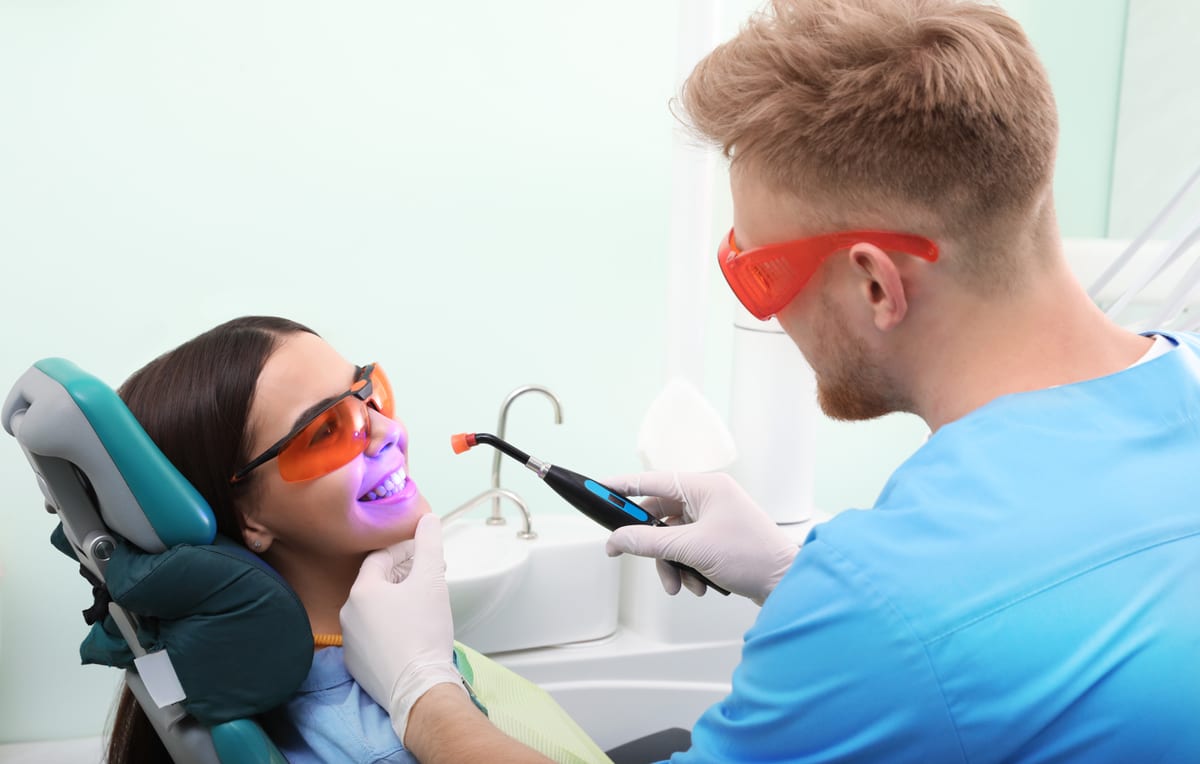
You may be wondering why teeth whitening won’t work for you if you have this Bloomfield concern — and you’re not alone. Many patients in the Bloomfield area try whitening treatments and feel disappointed. The results simply don’t come. The truth is, teeth whitening isn’t a universal solution. Knowing whether you’re a good candidate before you spend time and money is essential.
At Omni Dental Shadyside, Dr. Justin Hanlon helps patients understand exactly what whitening can and cannot do. This guide will walk you through the most common reasons whitening fails — and what your better options might be.
Why Teeth Whitening Won’t Work for You If You Have This Bloomfield Concern: Restorations Like Crowns and Veneers
One of the biggest reasons whitening fails is existing dental restorations. Crowns, veneers, and tooth-colored fillings do not respond to whitening agents. These materials are designed to be stain-resistant — but that also means bleaching gel cannot change their shade.
If you have a crown on a front tooth, whitening your natural teeth will actually make the mismatch worse. Your natural teeth will brighten, but the crown stays the same color. Many patients don’t realize this until they’ve already completed a whitening treatment.
If you have several Cosmetic Dentistry restorations in visible areas, Dr. Hanlon may recommend replacing them after whitening. That way, everything matches your new, brighter smile.
- Dental crowns do not respond to whitening gel
- Porcelain veneers resist bleaching agents entirely
- Tooth-colored composite fillings stay the same shade after treatment
- Mismatched shades become more visible after whitening natural teeth
Intrinsic Stains: The Hidden Reason Whitening Fails
Not all tooth discoloration sits on the surface. Intrinsic stains develop inside the tooth structure itself. These stains form during tooth development or as a result of trauma. Standard whitening treatments only address extrinsic, or surface-level, stains.
Intrinsic staining has several common causes. Fluorosis — too much fluoride exposure during childhood — creates white spots or brownish patches. Tetracycline antibiotics taken during childhood can cause deep gray or brown banding across teeth. These stains are locked inside the enamel and dentin layers.
Whitening gel cannot penetrate deep enough to reverse intrinsic discoloration. Patients with these stains often see little to no improvement from over-the-counter or professional whitening. Veneers or bonding are usually far more effective for this type of discoloration.
Medication-Induced and Age-Related Staining in Bloomfield Patients
Some medications cause tooth darkening as a side effect. Tetracycline antibiotics are the most well-known example. Antihistamines, blood pressure medications, and antipsychotic drugs have also been linked to tooth discoloration. These stains are chemical in nature and resist standard bleaching.
Age plays a role as well. Over time, enamel naturally thins and becomes more transparent. The yellowish dentin layer beneath becomes more visible. This type of yellowing is structural, not surface staining — and whitening products have limited effectiveness against it.
If your discoloration stems from medication use or natural aging inside the tooth, Dr. Hanlon may suggest alternative cosmetic solutions. Porcelain veneers, for example, cover the tooth surface completely and deliver dramatic color improvement regardless of intrinsic staining.
- Tetracycline antibiotics cause deep gray or brown banding
- Some blood pressure and antihistamine medications darken teeth
- Thinning enamel from aging reveals yellow dentin underneath
- These discolorations respond poorly to standard whitening agents
- Veneers or bonding may offer better long-term results
When Tooth Sensitivity or Decay Makes Whitening Unsafe
Teeth whitening is not appropriate for every mouth, even when discoloration is purely surface-level. Active tooth decay, cracked enamel, or exposed root surfaces make whitening treatments risky. The bleaching agents can penetrate damaged enamel and irritate the nerve. This can cause significant pain and worsen existing problems.
Patients with untreated cavities should address those first. If you have a cavity deep enough to require a Root Canals procedure, whitening before treatment could increase sensitivity dramatically. Dr. Hanlon always conducts a thorough exam before recommending any cosmetic treatment.
Gum disease is another contraindication. Receding gums expose the root surface, which has no enamel. Whitening gel applied to exposed roots causes intense sensitivity and doesn’t produce whitening results anyway. Treating gum disease first protects both your comfort and your outcome.
Who Actually Gets Great Results from Teeth Whitening?
The best candidates for teeth whitening have healthy teeth and gums with no active decay or gum disease. Their discoloration comes from external sources — coffee, tea, red wine, tobacco, or certain foods. These surface stains respond very well to professional bleaching agents.
Patients without extensive dental restorations on their front teeth are also ideal candidates. When most or all visible teeth are natural enamel, whitening delivers consistent, even results. Professional in-office treatments can lift surface stains by several shades in a single visit.
Good candidates also have realistic expectations. Whitening brightens natural tooth enamel — it doesn’t achieve the porcelain-white results that veneers can deliver. Dr. Hanlon helps each Bloomfield patient understand what level of improvement is realistic for their specific situation before starting any treatment.
What to Do If Whitening Isn’t Right for You
If you’ve learned that teeth whitening won’t work for you, don’t feel discouraged. There are effective alternatives that address staining at a deeper level. Dr. Hanlon at Omni Dental Shadyside offers a full range of cosmetic and restorative options tailored to your smile goals.
Porcelain veneers are thin shells bonded to the front surface of teeth. They completely mask intrinsic stains, discoloration from medications, and uneven color. Dental bonding is a more affordable option for covering localized staining or chips. Both deliver noticeable, lasting results where whitening cannot.
For patients with more complex needs, full-mouth restoration combines multiple treatments to create a complete smile transformation. Every plan starts with a detailed consultation so you know exactly what to expect. Book Now to schedule your appointment with our team.
Frequently Asked Questions
Can I whiten my teeth if I have a few fillings?
It depends on where the fillings are located. Fillings on back teeth usually aren’t visible, so whitening your natural teeth is fine. If fillings are on front teeth, your natural enamel will brighten but the fillings won’t — creating a noticeable color mismatch. Dr. Hanlon can assess your specific situation during a consultation.
How do I know if my stains are intrinsic or extrinsic?
A dental exam is the most reliable way to determine stain type. Extrinsic stains sit on the enamel surface and often appear as yellowing or brown spots from food and drink. Intrinsic stains appear as gray, brown, or white banding that doesn’t change with brushing. Dr. Hanlon will evaluate your teeth and recommend the right treatment path.
Is professional whitening stronger than store-bought kits?
Yes. Professional treatments use higher concentrations of whitening agents than over-the-counter products. They also include custom trays or in-office application that ensures even coverage. Results are typically faster and more dramatic. Store-bought kits can help maintain results but are less effective for significant discoloration.
How long do professional whitening results last?
Results typically last between one and three years depending on your diet and habits. Coffee, tea, red wine, and tobacco accelerate re-staining. Patients who limit staining foods and maintain good oral hygiene tend to enjoy longer-lasting results. Periodic touch-up treatments can help maintain brightness over time.
What if whitening makes my teeth very sensitive?
Some sensitivity during or after whitening is normal and usually temporary. Dr. Hanlon may recommend a desensitizing gel or a lower-concentration treatment for sensitive patients. If you have pre-existing sensitivity, active decay, or exposed roots, whitening may not be the right choice. A thorough exam helps identify these concerns before treatment begins.