5813 Centre Ave, Pittsburgh, PA 15206


Dental Crowns in Aspinwall, PA
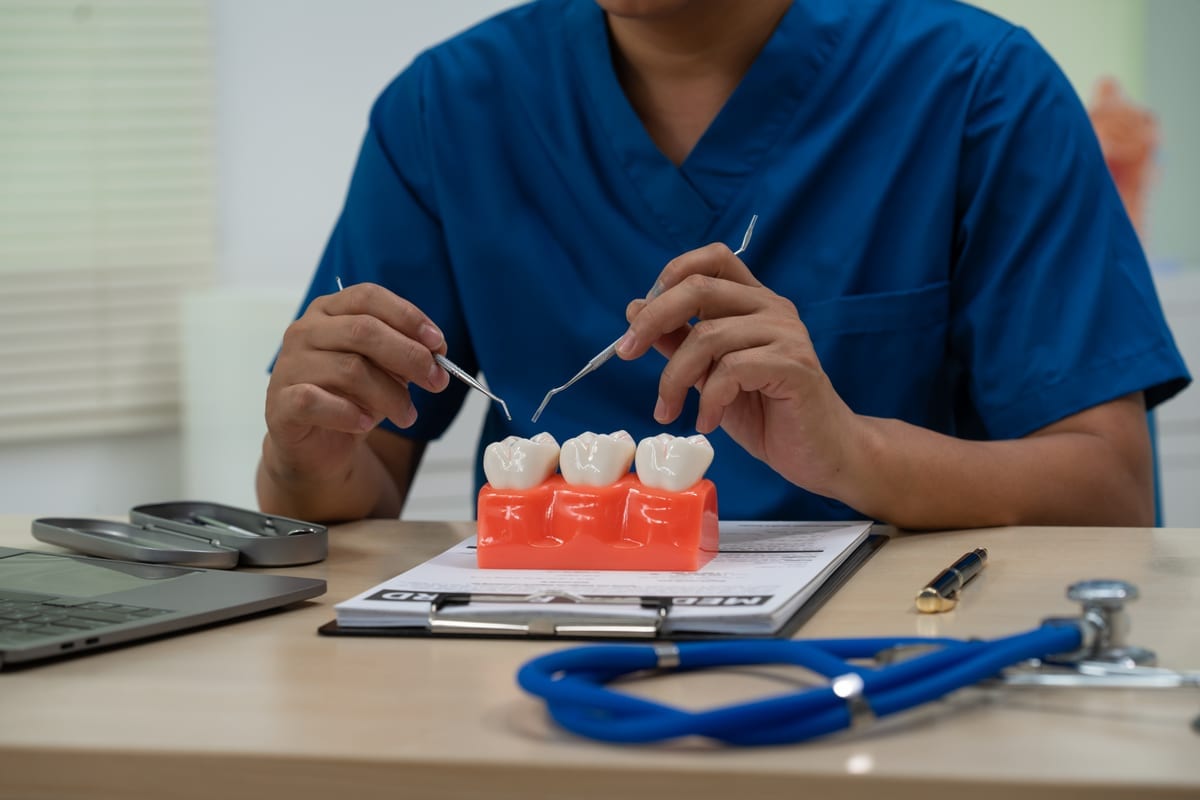
Most patients are surprised to learn that dental crowns last 15 years on average. Some crowns last 25 years or more with proper care. But others fail in just five years — sometimes less. If you live in Aspinwall and you’re wondering why some crowns fail early, you’re asking exactly the right question. Understanding the factors behind crown longevity helps you protect your investment and your smile.
How Long Do Dental Crowns Really Last?
The lifespan of a dental crown depends on the material used and how well it’s maintained. Porcelain-fused-to-metal crowns typically last 10 to 15 years. All-ceramic and zirconia crowns can last even longer with proper care. Gold crowns are the most durable, often lasting 20 years or more.
Research consistently shows that dental crowns last 15 years when patients follow good oral hygiene habits. Regular dental checkups play a major role in catching early wear. At Omni Dental Shadyside, Dr. Justin Hanlon assesses crown integrity at every preventive visit. Early detection is always better than emergency replacement.
Keep in mind that a crown is not invincible. It protects the tooth underneath, but it still requires care. Think of it like a protective cap — strong, but not indestructible. Your daily habits determine how long it holds up.
Why Some Crowns in Aspinwall Fail Early
Several factors can shorten a crown’s lifespan significantly. Knowing these risks helps Aspinwall patients make smarter choices every day. The most common culprits are habits and hygiene — both of which you can control.
Teeth grinding (bruxism) is one of the leading causes of early crown failure. Grinding puts enormous pressure on crowns, especially at night. Over time, this pressure cracks or chips the crown material. Many patients don’t even know they grind their teeth until damage appears.
Chewing hard foods is another major factor. Ice, hard candies, popcorn kernels, and crusty bread can all stress a crown. Even one bite in the wrong place can fracture porcelain. Aspinwall patients with crowns should avoid these foods whenever possible.
Poor oral hygiene is equally damaging. Bacteria can accumulate at the crown’s margin — the edge where it meets the gum. This leads to decay in the natural tooth underneath the crown. Once decay develops under a crown, the entire restoration may need replacement.
- Teeth grinding wears down crown material faster than normal use
- Hard foods like ice and hard candy can crack porcelain crowns
- Skipping flossing allows decay to form at the crown’s edge
- Acidic beverages weaken the cement that holds crowns in place
- Delayed dental visits mean small problems grow into major failures
Warning Signs Your Crown Needs Replacing
Your crown won’t always announce its problems loudly. Sometimes the signs are subtle — a slight sensitivity or a minor change in how your bite feels. Paying attention to these signals can save you from bigger dental problems later.
Here are the most common signs that a crown may be failing:
- Sensitivity to hot or cold that didn’t exist before
- Pain when biting or chewing on that tooth
- A visible crack, chip, or dark line on the crown
- Gum swelling or tenderness around the crowned tooth
- A loose or shifting feeling when you touch the crown with your tongue
- A bad taste near the tooth, which may signal decay underneath
If you notice any of these signs, don’t wait. Schedule an evaluation as soon as possible. Dr. Hanlon can examine the crown with digital X-rays to determine what’s happening beneath the surface. Catching problems early almost always means simpler, less costly solutions.
How Omni Dental Shadyside Helps Aspinwall Patients Protect Their Crowns
Dr. Justin Hanlon takes a thorough approach to crown placement and long-term care. Every crown placed at Omni Dental Shadyside is custom-designed to fit your bite precisely. A proper fit reduces stress on the crown and the surrounding teeth. This attention to detail is one reason patients from Aspinwall and across Pittsburgh trust our practice.
We also screen patients for bruxism before and after crown placement. If grinding is detected, we may recommend a custom nightguard. This simple device protects your crown while you sleep. It’s one of the most effective tools for extending crown longevity.
Our team also educates patients on diet and hygiene habits specific to crown care. Sometimes a crown fails not from any fault of the dentist, but from daily habits the patient wasn’t aware of. We believe an informed patient is a healthier patient. That’s why education is central to everything we do at Omni Dental Shadyside.
In some cases, a failing crown may point to a deeper problem. A tooth with significant decay underneath may need a Root Canals procedure before a new crown can be placed. This ensures the tooth is healthy at its core before being covered again. Skipping this step can lead to repeated crown failure.
For patients who want to go beyond restoration and enhance their smile, our Cosmetic Dentistry services include options like veneers and teeth whitening. These can complement a crown and create a cohesive, natural-looking smile. Dr. Hanlon helps patients choose the right combination of treatments for their goals.
Tips to Make Your Crown Last as Long as Possible
Taking care of a dental crown doesn’t require complicated routines. A few consistent habits make a significant difference over time. Here’s what Dr. Hanlon recommends for Aspinwall patients with crowns:
- Brush twice daily with a soft-bristled toothbrush
- Floss carefully around the crown margin every day
- Avoid chewing ice, hard candy, or sticky foods
- Wear a nightguard if you grind your teeth
- Schedule professional cleanings every six months
- Inform your dentist immediately if your bite feels off
These steps are simple, but they add up over years. A crown that receives consistent care can easily exceed its average 15-year lifespan. The goal is always to preserve both the crown and the natural tooth beneath it.
Conclusion: Don’t Let Your Crown Fail Before Its Time
Dental crowns last 15 years as a general benchmark — but they can last much longer with the right habits and professional support. Aspinwall patients who grind their teeth, eat hard foods, or skip cleanings face a much higher risk of early crown failure. Knowing the warning signs and acting quickly makes all the difference. Dr. Justin Hanlon and the team at Omni Dental Shadyside are here to help you protect every restoration we place. Book Now to schedule your appointment with our team.
Frequently Asked Questions
How long do dental crowns typically last?
Dental crowns last an average of 15 years with proper care, though many last 20 to 25 years. Material choice and daily habits play the biggest roles in longevity. Zirconia and gold crowns tend to be the most durable options available today.
What causes a dental crown to fail early?
The most common causes of early crown failure include teeth grinding, chewing hard foods, and poor oral hygiene. Decay forming under the crown is another frequent reason for premature failure. Regular dental visits help catch these issues before they become serious.
Can a dental crown be repaired, or does it need full replacement?
Minor chips or cracks can sometimes be repaired, depending on the crown material and location of the damage. However, significant structural damage or decay underneath the crown typically requires full replacement. Dr. Hanlon will evaluate your crown and recommend the most conservative solution possible.
How do I know if my crown needs to be replaced?
Common signs include sensitivity, pain when biting, visible cracks, gum swelling near the tooth, or a loose feeling. A bad taste near the crowned tooth may also indicate decay forming underneath. If you notice any of these symptoms, schedule an evaluation promptly.
Do I need a nightguard if I have dental crowns?
If you grind your teeth, a custom nightguard is strongly recommended to protect your crowns. Grinding exerts significant pressure that can crack or chip crown material over time. A nightguard is a simple, affordable way to extend the life of your dental restorations significantly.