5813 Centre Ave, Pittsburgh, PA 15206


Is Invisalign Right for Your Teeth? What It Can (and Can’t) Fix
Thinking about straightening your teeth but not sure where to start? Many Pittsburgh patients ask whether Invisalign is right for their specific situation. Understanding what Invisalign can and can’t fix in Pittsburgh helps you make a confident, informed decision. At Omni Dental Shadyside, Dr. Justin Hanlon guides patients through every step of the evaluation process.
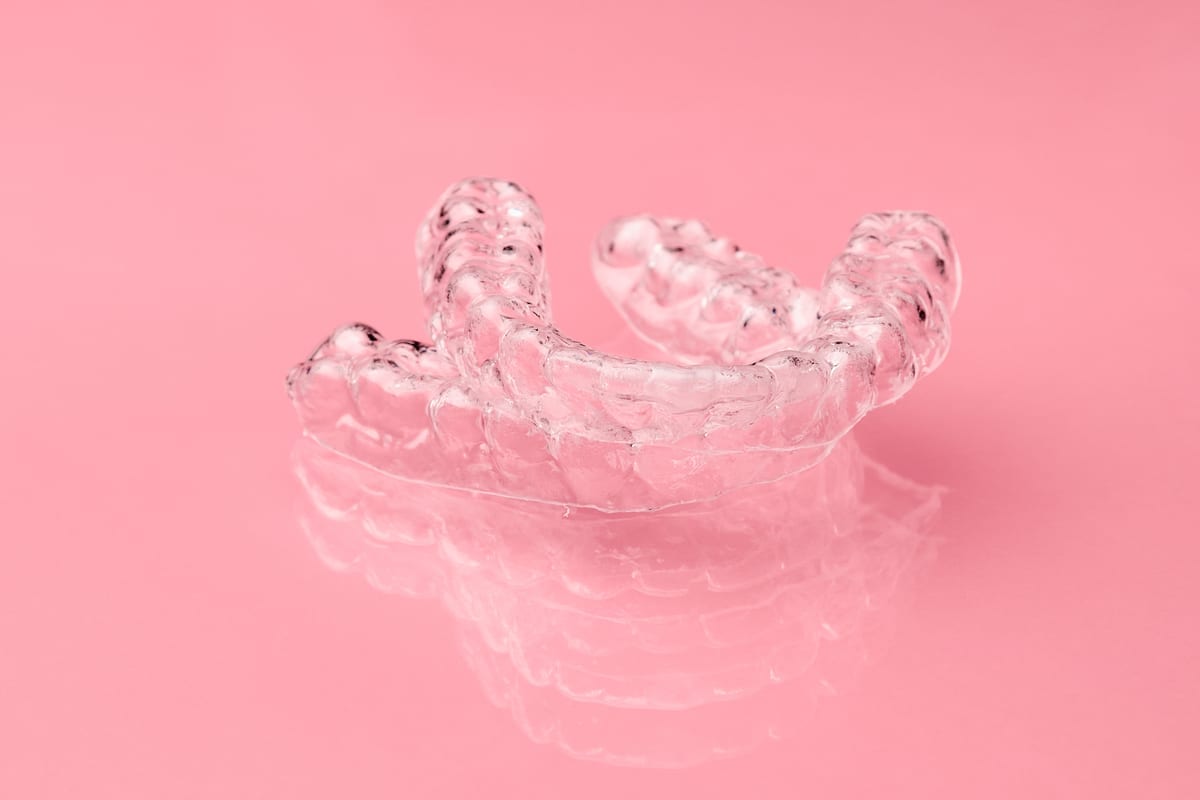
Invisalign uses a series of clear, removable aligners to shift your teeth gradually. It is a popular alternative to traditional metal braces. But it is not the right solution for every smile. Knowing the difference can save you time, money, and frustration.
What Invisalign Can Fix: Common Conditions It Treats Well
Invisalign works best for mild to moderate orthodontic issues. It has become increasingly effective as the technology has improved. Many adults and teens in Pittsburgh are excellent candidates. Here are the most common conditions Invisalign handles well:
- Mild to moderate crowding: When teeth overlap or have too little space, Invisalign can guide them into proper alignment.
- Spacing gaps: Small gaps between teeth respond well to clear aligner treatment.
- Mild overbite: When upper front teeth extend too far over lower teeth, Invisalign can help correct the bite.
- Mild underbite: When lower teeth sit in front of upper teeth, aligners can sometimes improve the position.
- Crossbite: When upper and lower teeth do not align properly side to side, Invisalign can address mild cases.
- Open bite: When upper and lower teeth do not meet in front, clear aligners can close the gap in moderate cases.
These conditions are very common among adults seeking orthodontic treatment. Many patients in Pittsburgh are surprised to learn they qualify. A proper evaluation is always the first step.
What Invisalign Cannot Fix: Its Real Limitations
Invisalign is a powerful tool, but it has clear limits. Some dental issues require more force or control than clear aligners can provide. Understanding these limitations helps set realistic expectations. Dr. Hanlon always provides honest guidance during consultations at Omni Dental Shadyside.
Invisalign typically cannot treat severe crowding or significant bite problems on its own. Large gaps or major spacing issues may also exceed what aligners can achieve. Teeth that need significant rotation — especially round teeth like premolars — are harder to move with aligners. Severe overbites, underbites, or skeletal jaw problems often require traditional braces or even surgery.
Here are cases where traditional braces or other treatments usually work better:
- Severe crowding: Teeth that are severely overlapped need stronger mechanical force.
- Significant jaw misalignment: Skeletal issues go beyond what aligners can correct.
- Intrusion and extrusion: Moving teeth significantly up or down in the gum line is difficult with aligners.
- Bridgework or large dental restorations: Existing dental work can limit aligner movement.
- Patients with poor compliance habits: Aligners must be worn 20 to 22 hours per day to work.
None of this means you cannot achieve a beautiful smile. It simply means the right treatment depends on your unique situation.
Is Invisalign Right for Your Teeth? How Pittsburgh Patients Find Out
The only reliable way to know if Invisalign is right for you is through a clinical evaluation. Dr. Justin Hanlon examines your teeth, bite, and jaw structure during your consultation. He uses digital imaging and records to assess your candidacy accurately. This step removes all the guesswork.
During your consultation at Omni Dental Shadyside, Dr. Hanlon will review several factors. He will look at the severity of your crowding or spacing. He will assess your bite alignment and jaw position. He will also check the overall health of your teeth and gums before recommending any orthodontic treatment.
Good oral health is a prerequisite for Invisalign. Active gum disease or untreated cavities must be addressed first. If you need other dental care — such as Root Canals Pittsburgh — those treatments happen before orthodontics begins. Addressing existing issues protects your results long-term.
Invisalign vs. Traditional Braces: Which Is Better for Pittsburgh Patients?
This is one of the most common questions Dr. Hanlon hears from Pittsburgh patients. The honest answer is: it depends entirely on your case. Neither option is universally better. Each has distinct advantages depending on what your teeth need.
Invisalign offers clear aesthetic benefits. The aligners are nearly invisible and removable. Patients can eat normally and maintain easier oral hygiene. For adults with professional or social concerns, this is a major advantage.
Traditional braces, however, apply more consistent force. They are better for complex movements and severe cases. They do not rely on patient compliance in the same way. For teenagers or patients with more significant issues, braces often deliver more predictable results.
Some patients also combine orthodontics with other Cosmetic Dentistry Pittsburgh treatments. Straightening teeth first can enhance the outcome of veneers or whitening. Dr. Hanlon helps patients plan a complete smile transformation when appropriate.
What to Expect During Your Invisalign Journey in Pittsburgh
If Dr. Hanlon determines you are a good candidate, the process moves quickly. He takes digital scans of your teeth — no messy impressions needed. A custom treatment plan is then created using advanced 3D software. You can even preview your final result before you begin.
Your aligners are made specifically for your teeth. You wear each set for about one to two weeks. You switch to the next set as your teeth gradually shift. Check-in appointments at Omni Dental Shadyside ensure your progress stays on track.
Treatment time varies by case complexity. Mild cases may finish in as few as six months. More involved cases can take 12 to 18 months. Dr. Hanlon gives each patient a realistic timeline during their consultation.
Frequently Asked Questions
Can Invisalign fix my overbite completely?
Invisalign can correct mild to moderate overbites effectively. Severe overbites with significant jaw involvement may require traditional braces or other orthodontic approaches. Dr. Hanlon will evaluate your bite during your consultation and recommend the most appropriate treatment.
How do I know if I am a candidate for Invisalign in Pittsburgh?
The best way to find out is through a professional evaluation with Dr. Justin Hanlon at Omni Dental Shadyside. He reviews your teeth, bite, and overall oral health to determine whether clear aligners are right for your specific case. Many patients are surprised to learn they qualify.
What happens if my teeth are too crooked for Invisalign?
If your crowding or misalignment is too severe for clear aligners, Dr. Hanlon will discuss alternative options with you. Traditional braces or a combination of treatments may achieve your desired outcome. You will always leave your consultation with a clear path forward.
Do I need to fix other dental issues before starting Invisalign?
Yes — your teeth and gums must be healthy before orthodontic treatment begins. Issues like cavities, gum disease, or other structural problems are treated first. This protects your teeth during alignment and helps your results last.
Can I get teeth whitening after Invisalign treatment?
Absolutely. Many patients choose to whiten their teeth after completing Invisalign for a fully refreshed smile. Dr. Hanlon can incorporate teeth whitening into your overall treatment plan at Omni Dental Shadyside. It is a popular finishing step for patients who want the best possible result.
Ready to find out if Invisalign is the right choice for your smile? Dr. Justin Hanlon and the team at Omni Dental Shadyside are here to help Pittsburgh patients make confident decisions about their dental care. Book Now to schedule your appointment with our team.