

Tooth pain can stop you in your tracks, especially when you’re counting down the days until your root canal. If you’re stuck in that waiting game, you’re probably desperate for anything to take the edge off. At Omni Dental in Pittsburgh, we get it—nothing ruins your day faster than a throbbing tooth. So, we’ve pulled together some solid tips to help you manage the pain and make the wait a little easier.
Why Does Tooth Pain Happen Before a Root Canal?
Usually, the reason behind the pain is an infection, deep decay, or some kind of injury that’s reached the nerve inside your tooth. Once the nerve gets inflamed or infected, you’ll know it—biting down or even sipping something hot or cold can set off sharp, relentless pain.
A root canal’s main job is to get rid of the infected stuff inside the tooth and seal it up. But before you get there, you need a way to handle the pain.
How to Handle Tooth Pain While You Wait
Here are some tried-and-true ways to get a bit of relief:
1. Over-the-Counter Painkillers
Ibuprofen or acetaminophen can really help with pain and swelling. Just stick to the directions on the bottle, and if you’re not sure what’s safe for you, ask your dentist or doctor.
2. Ice or Heat
Sometimes an ice pack (wrapped in a towel) held against your cheek for 15-20 minutes can numb the pain and bring down swelling. Some people find that a warm compress works better. Just don’t get it too hot—sometimes heat can actually make things worse.
3. Clove Oil
If you have clove oil at home, dab a tiny bit on the sore tooth. People have used this for ages because it numbs the area for a little while.
4. Saltwater Rinse
Mix half a teaspoon of salt into some warm water and swish it around your mouth for about 30 seconds, then spit it out. Do this a few times a day. It helps keep things clean and can bring down swelling.
5. Go Easy on Your Teeth
Skip hard or sticky foods—they’ll just make the pain worse. Soft foods are your friend right now. It also helps to avoid really hot or cold drinks until you get your tooth fixed.
When Should You Call Your Dentist?
Home remedies are fine for a little while, but sometimes tooth pain is a sign of something more serious. Call us at Omni Dental in Pittsburgh if:
- Your pain is severe, constant, and not getting better with regular painkillers.
- You notice swelling or develop a fever.
- You have trouble breathing or swallowing because of swelling.
We’re here to help and can talk you through your options.
What Happens During a Root Canal?
Knowing what’s coming can help with those nerves. Here’s how a root canal treatment goes:
- First, your dentist numbs the area so you don’t feel a thing.
- Next, they clean out the infected tissue from inside the tooth.
- Once it’s all clean, they seal the tooth to keep new germs out.
- Sometimes, you’ll need a crown to restore your tooth to normal.
It’s really not as scary as it sounds. Most people feel way better afterward, and the pain that’s been bugging you usually goes away for good.
Tooth pain is no joke, but you don’t have to handle it alone. There’s plenty you can do to get through until your root canal. If you’re still hurting or just need some advice, reach out to Omni Dental in Pittsburgh. We’re always ready to help you feel better and answer your questions.
FAQs
- Can I use numbing gel to ease tooth pain?
Yes, numbing gels available over the counter can provide temporary relief. However, they should be used sparingly and are not a permanent solution. Always follow the instructions on the packaging.
- How long will the pain last before my root canal appointment?
Pain duration varies depending on the severity of the infection or injury. Some people experience pain for a few days, while others may have discomfort for a longer period. The goal is to manage it until your appointment.
- Is it safe to chew on the side of my mouth that hurts?
It’s best to avoid chewing on the side of the painful tooth to prevent further irritation. Stick to softer foods and avoid putting pressure on the area.
- Should I avoid taking painkillers before my root canal?
In most cases, painkillers like ibuprofen or acetaminophen are safe to take before a root canal. However, always check with your dentist if you’re unsure or have concerns about interactions with other medications you may be taking.
Related Post
November 3, 2025
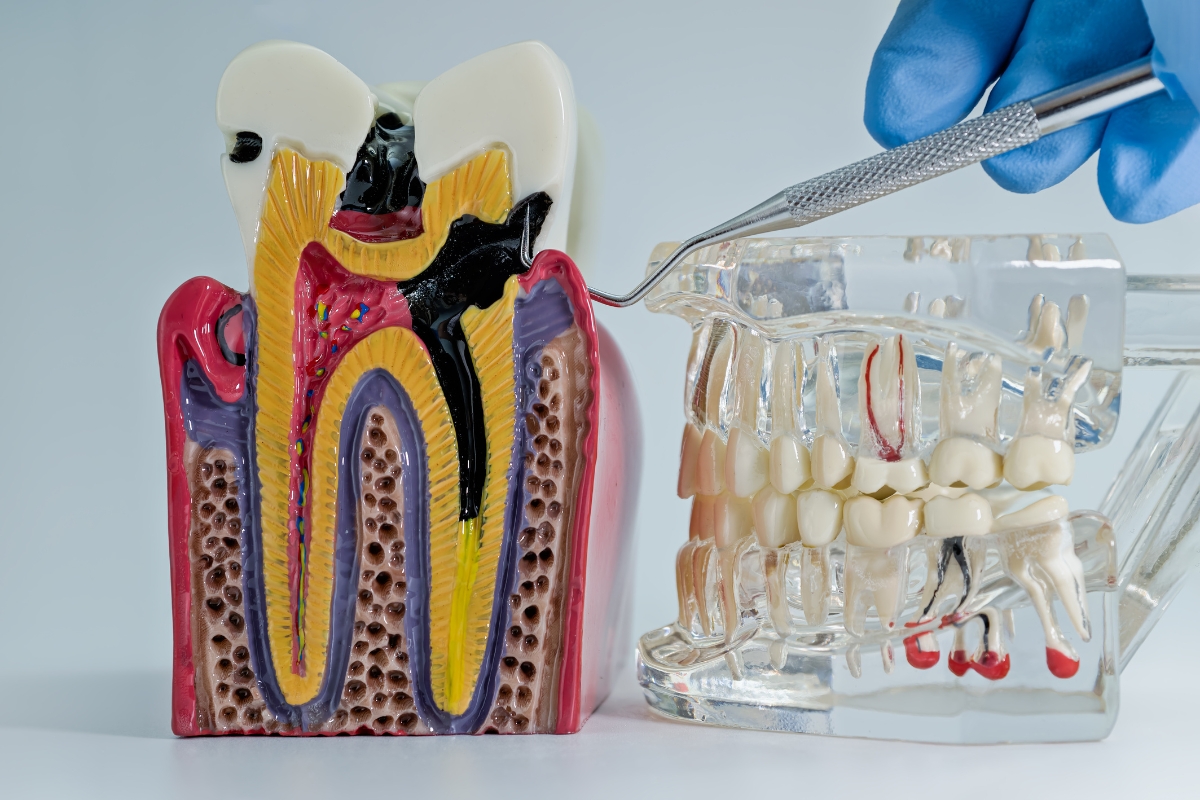
How to Manage Tooth Pain Before Your Root Canal in Pittsburgh
October 3, 2025
Why You Should Avoid Last-Minute Dental Appointments
September 1, 2025
Are Dental Implants Painful? Separating Fact from Fiction

August 13, 2025
Dr. Hanlon’s Guide to Beat Halitosis for Pittsburgh Residents

May 7, 2025
Cosmetic Dentistry: Tips For Making The Right Choice
April 19, 2025
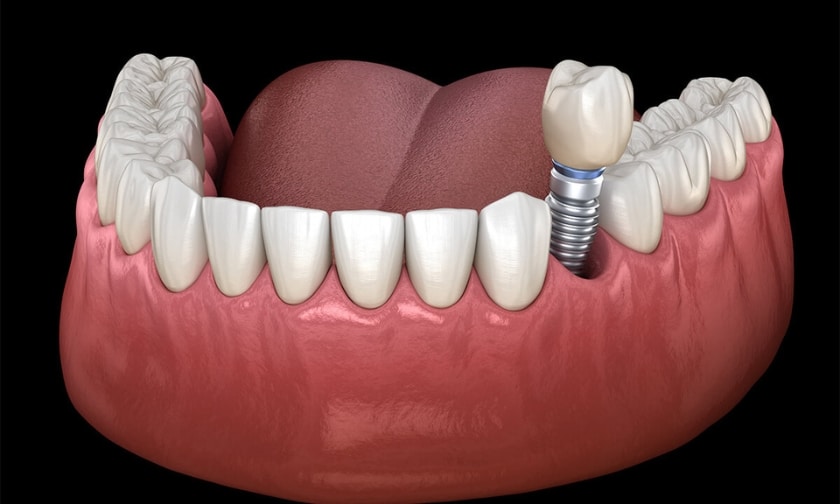
Understanding Dental Implant Surgery: Rewards And Recovery Tips

April 12, 2025
Wisdom Teeth Extraction: Benefits And Risks

April 5, 2025
How Do Teeth Look Post Dental Veneer Treatment?

March 19, 2025
Impacted Wisdom Tooth Care: Treatment Options and Recovery Tips

February 7, 2025
How Does One Go About Getting Veneers