

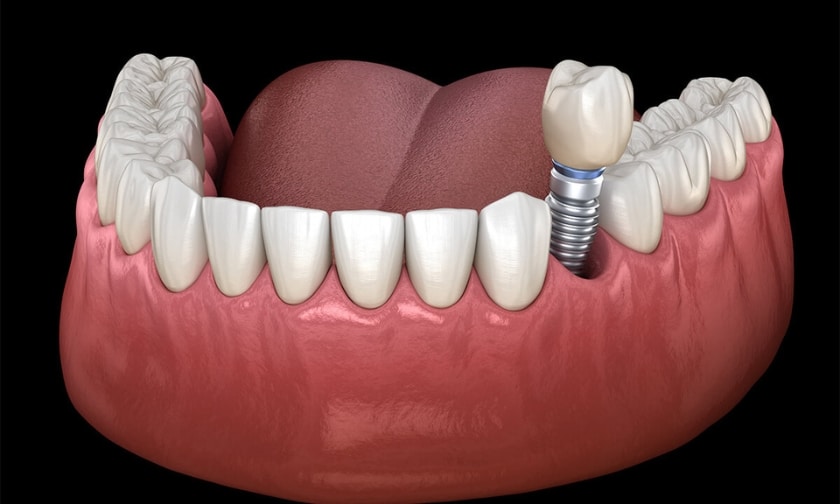
The absence of a tooth can cause both aesthetic concerns and functional challenges. Chewing can become difficult, and the gap can affect your speech and confidence. Thankfully, dental implants provide an innovative solution to replace missing teeth. These biocompatible Titanium posts are placed into the jawbone, acting as a strong foundation for a natural-looking replacement tooth or crown. If you're considering a single tooth implant in Pittsburgh, PA, then knowing the process alleviates anxiety and helps you make an informed decision. Here's a breakdown of the exciting journey to a complete smile:
The Single Tooth Implant Process: Step-by-Step
- Consultation and Planning:
- You'll meet with your dentist or oral surgeon to discuss your dental history, goals, and suitability for a single-tooth implant in Pittsburgh, PA.
- X-rays & CT scans will be taken to assess your jawbone health and determine the optimal placement for the implant.
- A treatment plan will be created, including the number of implant placements and the type of restoration (crown) needed.
- Implant Placement Surgery:
- The area will be numbed with local anesthesia (or general anesthesia in some cases).
- A minor cut will be made in the gum tissue to expose the jawbone.
- A small hole drills into the bone to create a precise socket for the implant.
- The implant post, typically made of titanium, will be surgically placed into the socket.
- Stitches may be used to close the gum tissue around the implant.
- Healing and Osseointegration:
- Following surgery, it's crucial to allow the implant to fuse with the jawbone in a process called osseointegration. This typically takes 3-6 months for the lower jaw and 4-8 months for the upper jaw.
- During this time, a temporary restoration might be placed for cosmetic purposes.
- Proper healing is vital for the long-term success of the implant.
- Abutment Placement:
- Once osseointegration is complete, a second minor surgery might be needed to place an abutment on the single-tooth implant.
- The abutment acts as a connector between the implant post and the crown.
- This procedure usually involves minimal discomfort and requires local anesthesia.
- Crown Placement:
- An impression of the implant site and surrounding teeth will be taken.
- A custom-made dental crown, crafted from porcelain or zirconia to match your surrounding teeth, will be created in a dental lab.
- The final crown will be securely attached to the abutment, completing your single tooth implant restoration.
The Benefits of Single Tooth Implants:
- Natural Look and Feel: A single tooth implant in Pittsburgh, PA, provides a natural-looking and feeling replacement of a tooth that seamlessly blends with your surrounding teeth.
- Improved Function: Implants restore chewing ability and eliminate the discomfort associated with dentures or bridges.
- Durability and Longevity: Single-tooth implants are known for their exceptional durability, lasting for many years with proper care.
- Better oral health: Implants prevent bone loss in the jawbone that can occur with missing teeth and traditional bridges.
- Increased Confidence: A complete smile can significantly boost your confidence & self-esteem in social and professional settings.
While the process of getting a single tooth implant takes some time and planning, the benefits are undeniable. With proper guidance, a single tooth implant can restore your complete smile, improve your oral health, and offer a long-lasting, high-functioning solution for a missing tooth. Consult with your dentist in Pittsburgh today to explore if single tooth implants are right for you and take the first step towards a confident, complete smile.
Frequently Asked Questions
Am I a candidate for a single tooth implant?
Factors like jawbone health and overall health are considered. A consultation with your dentist can determine your suitability.
Does getting a single tooth implant hurt?
Local anesthesia is used during the surgery to minimize discomfort. You might experience some soreness after the procedure, but pain relievers can help manage it.
How long does a single tooth implant last?
With proper care, single-tooth implants last a lifetime. Dental checkups on a daily basis and good oral practices are essential for long-term success.
What is the cost of a single tooth implant?
The cost varies on numerous factors like location, dentist fees, and complexity of the case. However, compared to traditional options like bridges, implants can be a cost-effective solution in the long run due to their durability.
What is the alternative to a single-tooth implant?
There are alternatives like dental bridges, which involve anchoring a replacement tooth to the surrounding teeth. However, bridges require altering healthy teeth, while implants are self-supporting and don't affect nearby teeth. Another option is dentures, but they can be less stable and comfortable compared to implants.
Related Post
December 3, 2025
How Does Diet Impact Teeth Whitening Results?
November 3, 2025
How to Manage Tooth Pain Before Your Root Canal in Pittsburgh
October 3, 2025
Why You Should Avoid Last-Minute Dental Appointments
September 1, 2025
Are Dental Implants Painful? Separating Fact from Fiction

August 13, 2025
Dr. Hanlon’s Guide to Beat Halitosis for Pittsburgh Residents

May 7, 2025
Cosmetic Dentistry: Tips For Making The Right Choice
April 19, 2025
Understanding Dental Implant Surgery: Rewards And Recovery Tips
April 12, 2025
Wisdom Teeth Extraction: Benefits And Risks

April 5, 2025
How Do Teeth Look Post Dental Veneer Treatment?

March 19, 2025
Impacted Wisdom Tooth Care: Treatment Options and Recovery Tips