

Did you know that approximately 15 million root canal procedures occur each year in the U.S. alone? Despite advancements in dental care, some people still require these treatments more frequently than others. This blog explores the factors that contribute to this phenomenon. Understanding why certain individuals are prone to needing root canals can help improve oral health awareness.
By identifying the underlying reasons, you can encourage better dental practices and preventive measures. Ultimately, this knowledge can lead to healthier teeth and fewer dental procedures.
Understanding Root Canals
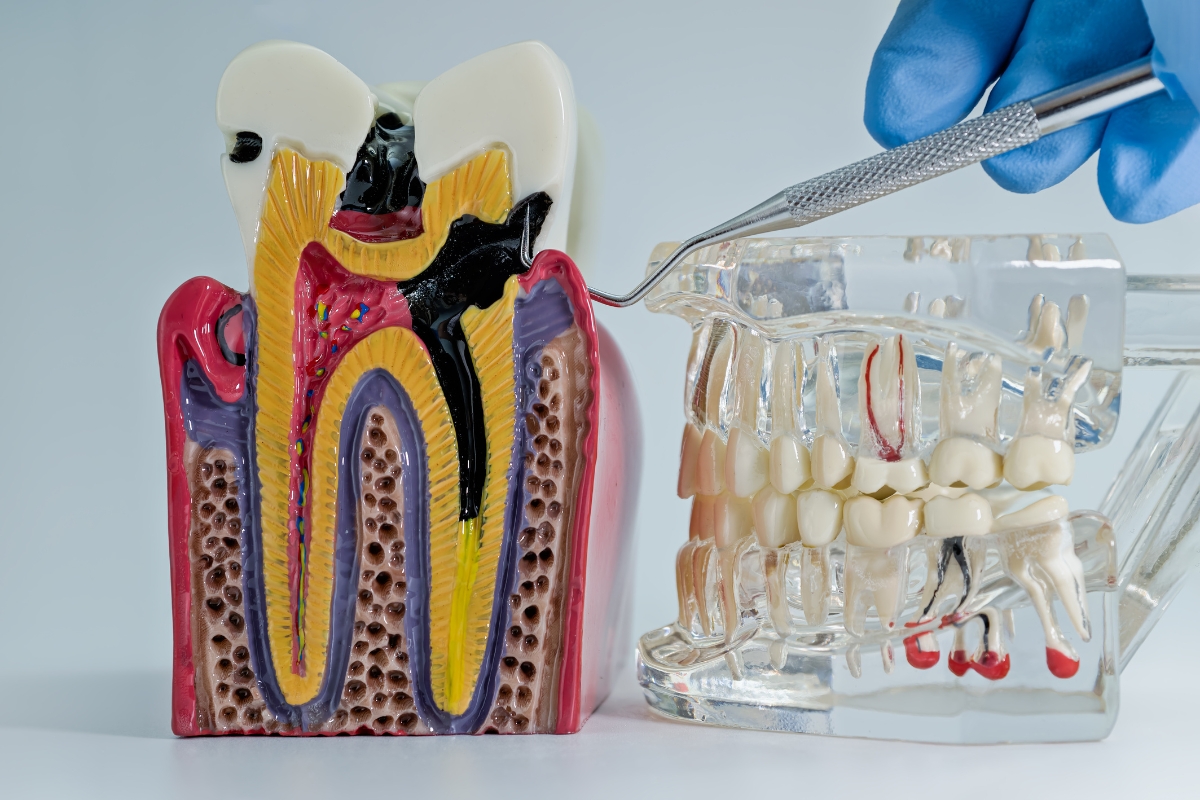
A root canal is a dental procedure designed to treat infection or damage in the tooth's pulp. The procedure involves removing the infected pulp, cleaning the interior of the tooth, and sealing it to prevent further issues. Root canals can save teeth that might otherwise need extraction.
Several common reasons lead to root canal treatments. Deep decay from untreated cavities often exposes the pulp to bacteria. Trauma, such as a cracked or broken tooth, can also damage the pulp, necessitating a root canal. Infections caused by gum disease or untreated cavities can further complicate dental health, leading to the need for this procedure.
Factors Contributing to Higher Root Canal Needs
Genetic Predisposition
Genetics can significantly influence dental health. Some individuals may inherit traits that make their teeth more susceptible to decay. For example, genetic variations can affect enamel thickness and strength. Weaker enamel increases the likelihood of cavities and infections, leading to potential root canals.
Additionally, a family history of dental issues, such as gum disease or tooth sensitivity, can indicate a higher risk for similar problems. Understanding these genetic factors can help individuals take preventive measures earlier.
Oral Hygiene Habits
Daily dental care plays a crucial role in maintaining oral health. Consistent brushing and flossing can effectively remove plaque, a sticky film of bacteria that forms on teeth. When plaque is not removed, it hardens into tartar, which can lead to cavities and gum disease.
Neglecting oral hygiene allows bacteria to thrive, increasing the risk of infections that may require root canals. Individuals who prioritize good dental habits—brushing twice a day with fluoride toothpaste and flossing daily—are less likely to face these issues.
Diet and Nutrition
Diet significantly impacts tooth health, especially sugar consumption. Sugary foods and drinks can feed harmful bacteria in the mouth, leading to acid production that erodes enamel and creates cavities. Frequent snacking on sugary items exacerbates this risk, as bacteria have more opportunities to produce acids.
A balanced diet rich in vitamins and minerals, particularly calcium and vitamin D, supports strong teeth. Consuming crunchy fruits and vegetables can also help clean teeth naturally and stimulate saliva production, which neutralizes acids.
Existing Dental Conditions
Existing dental conditions can increase the likelihood of needing root canals. For instance, gum disease can create pockets that harbor bacteria, leading to infections that affect the tooth’s pulp.
Similarly, misaligned teeth may be more challenging to clean effectively, leading to hidden cavities that go unnoticed until they cause significant damage. Individuals with a history of dental issues should take extra precautions to monitor their oral health, as these conditions can complicate care and lead to more frequent root canal procedures.
Age and Hormonal Factors
Age and hormonal changes also influence dental health. Children and older adults often experience a higher incidence of dental issues. In children, the development of adult teeth can lead to unique vulnerabilities during the transition. For older adults, wear and tear over the years can increase the risk of decay.
Hormonal changes during pregnancy can also affect gum health, making pregnant individuals more susceptible to periodontal disease, which may lead to root canals. Awareness of these age-related factors can help individuals adopt appropriate preventive measures throughout different life stages.
Psychological Factors
Fear of Dental Procedures
Many people fear dental visits, leading to neglected oral care. Anxiety about pain can cause individuals to avoid check-ups. This neglect can lead to untreated cavities and infections that necessitate root canals.
Cultural Perceptions of Dental Health
Cultural attitudes towards dental care can also impact treatment frequency. In some cultures, dental care may not be prioritized, leading to increased decay rates. Awareness and education about dental health can help change these perceptions and promote better practices.
The Role of Professional Care
Regular Check-Ups
Routine dental visits are crucial for prevention. Dentists can identify problems early, often before they require extensive treatment. Regular check-ups can help maintain oral health and catch potential issues before they worsen.
Access to Dental Care
Socioeconomic factors greatly affect access to dental care. Individuals in lower-income brackets may face barriers, such as lack of insurance or transportation. These obstacles can prevent them from receiving necessary preventive care, leading to more significant dental issues.
Early Intervention
Early intervention is vital in dental care. Addressing issues as soon as they arise can prevent further complications. When patients seek treatment promptly, they can often avoid the need for root canals or other invasive procedures.
Preventative Measures
Best Practices for Oral Hygiene
Maintaining good oral hygiene is essential for dental health. Brush your teeth at least twice a day and floss daily. Use fluoride toothpaste to help strengthen enamel and reduce cavities.
Dietary Recommendations
Incorporate tooth-friendly foods into your diet. Fresh fruits, vegetables, and dairy products promote dental health. Limit sugary snacks and beverages to reduce the risk of decay.
Regular Dental Visits
Prioritize regular dental appointments for optimal oral health. Schedule visits every six months for check-ups and cleanings. This proactive approach can help catch problems early and reduce the need for extensive treatments.
In summary, several factors contribute to why some people need root canals more often. Genetic predisposition, oral hygiene habits, diet, existing dental conditions, age, and psychological factors all play a role. Understanding these reasons can help individuals take charge of their dental health.
Assess your dental habits and consult our dentists about preventive strategies. Regular check-ups and good oral hygiene can significantly reduce the likelihood of needing a root canal. Take action today for a healthier smile!
Related Post
November 3, 2025
How to Manage Tooth Pain Before Your Root Canal in Pittsburgh
October 3, 2025
Why You Should Avoid Last-Minute Dental Appointments
September 1, 2025
Are Dental Implants Painful? Separating Fact from Fiction

August 13, 2025
Dr. Hanlon’s Guide to Beat Halitosis for Pittsburgh Residents

May 7, 2025
Cosmetic Dentistry: Tips For Making The Right Choice
April 19, 2025
Understanding Dental Implant Surgery: Rewards And Recovery Tips
April 12, 2025
Wisdom Teeth Extraction: Benefits And Risks

April 5, 2025
How Do Teeth Look Post Dental Veneer Treatment?

March 19, 2025
Impacted Wisdom Tooth Care: Treatment Options and Recovery Tips

February 7, 2025
How Does One Go About Getting Veneers