5813 Centre Ave, Pittsburgh, PA 15206


Crowns for Dental Implants: Restoring Both Form and Function
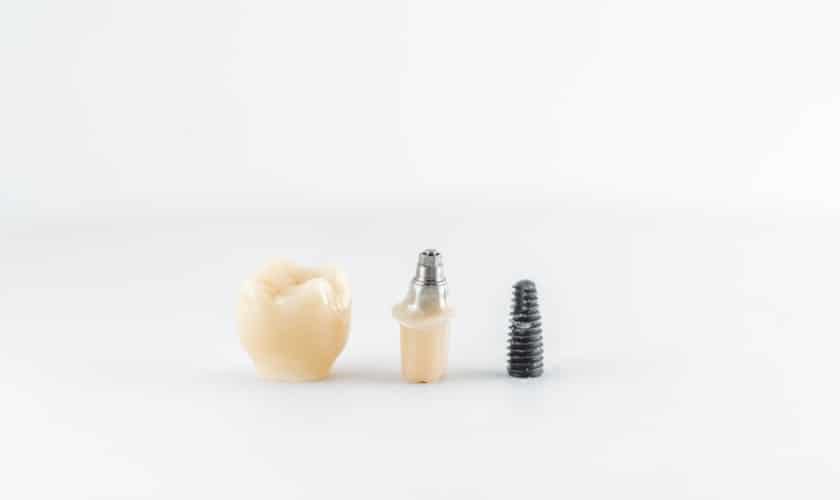
Dental health is more than just having a bright smile; it’s about maintaining the function and structure of your teeth. When a tooth is lost owing to damage, rotting, or any other cause, dental implants provide a dependable solution. But the implant alone isn’t enough. To complete the restoration, a dental crown is placed on top of the implant. This combination restores both the appearance and the function of the missing tooth. Here’s how dental crowns for dental implants work and why they’re essential for a healthy, beautiful smile.
What Are Dental Implants?
Dental implants provide a sturdy basis for replacement teeth because they are artificial tooth roots. Usually, they are composed of titanium, which is biocompatible and integrates well with the jawbone. The jaw is surgically opened to receive the implant during the procedure, where it fuses with the bone over time. This provides a stable base for the dental crown that will be attached later.
Why Choose Dental Implants?
- Long-Lasting Solution: Dental implants are durable and can last for many years, making them a permanent solution for tooth loss.
- Prevents Bone Loss: Implants help maintain the structure of your jawbone, stopping the frequent bone loss that takes place after losing a tooth.
- Natural Look and Feel: Implants look and feel like natural teeth, providing comfort and confidence when eating, speaking, and smiling.
The dental crown, which repairs the portion of the tooth that is visible, is placed after the dental implant and jawbone have bonded.
The Role of Dental Crowns in Restoring Teeth
A dental crown is an especially designed cap that fits over a dental implant. It serves as the new tooth, restoring both the original tooth’s appearance and functionality. Crowns are typically made from porcelain, ceramic, or metal, depending on the location of the tooth and the patient’s needs.
Benefits of Dental Crowns:
- Restores Function: A dental crown allows you to chew and bite into food as you would with a natural tooth. This is crucial for maintaining proper digestion and nutrition.
- Enhances Appearance: Crowns are designed to ensure that they are the same color and shape as your natural teeth. They blend in with the rest of your smile, so no one can tell the difference.
- Protects the Implant: The crown protects the dental implant by covering it, preventing any damage from daily wear and tear.
The combination of a dental crown and an implant is the closest thing to having a natural tooth again. This restoration not only improves your smile but also ensures that your teeth function as they should.
Types of Dental Crowns for Implants
There are several types of dental crowns available for implants, each with its own advantages. Based on the location, your dentist will advise you on the best course of action for the implant, your budget, and your aesthetic preferences.
1. Porcelain Crowns:
Porcelain crowns are a popular choice for visible teeth because they closely resemble natural tooth enamel. They are known for their excellent aesthetics and are often used in the front of the mouth.
2. Ceramic Crowns:
Ceramic crowns are similar to porcelain but are slightly stronger. They are also tooth-colored, making them an excellent option for front teeth or visible areas. They provide a natural look while offering increased durability.
3. Metal Crowns:
Metal crowns, including those made from gold or metal alloys, are extremely durable and resistant to wear. While they are not as aesthetically pleasing as porcelain or ceramic crowns, they are often used for molars where strength is more important than appearance.
4. Porcelain-Fused-to-Metal (PFM) Crowns:
PFM crowns combine the visual attractiveness of porcelain with the strength of metal. They have a metal base covered with porcelain to match the natural teeth. This makes them strong and visually appealing, though they may show a dark line near the gum line over time.
Each type of dental crown has advantages of its own, and the best decision will rely on your individual needs. Consulting with your dentist will help you make the best decision for your dental implants.
The Dental Crown Placement Process
When the dental implant has completely assimilated into the jawbone, the next step is placing the dental crown. This process is typically straightforward and involves a few key steps.
1. Impressions and Customization:
To make sure the crown fits your bite precisely, your dentist will take impressions of your teeth. Your personalized crown is made in a dental lab using these impressions.
2. Placement of the Abutment:
An abutment is a small connector that is attached to the dental implant. It holds the dental crown in place. Once the abutment is in place, your dentist will ensure it fits correctly and is comfortable.
3. Fitting the Dental Crown:
After the abutment is secured, the custom-made crown is placed on top. To guarantee a flawless fit, your dentist will make any required changes. Once everything is aligned, the crown is cemented into place.
4. Final Adjustments:
The dentist will check your bite and make any final adjustments to ensure comfort and function. You’ll be able to use the dental crown just like a natural tooth immediately after placement.
This process ensures that your dental implant and crown work together seamlessly, providing a durable and natural-looking solution for missing teeth.
Caring for Your Dental Implants and Crowns
Taking care of your dental implants and crowns is essential for their longevity and function. With proper care, your dental crown and implant can last for many years, providing a reliable solution for missing teeth.
1. Daily Oral Hygiene:
Brush and floss your teeth twice a day, just as you would with your natural teeth. Pay special attention to the area around the implant to prevent plaque buildup.
2. Regular Dental Check-Ups:
Visit your dentist regularly for check-ups and cleanings. These consultations enable your dentist to keep an eye on the health of your implant and crown and address any issues early on.
3. Avoid Hard Foods:
Although dental crowns are durable, they can still be damaged by extremely hard foods. Avoid biting down on ice, hard candy, or other hard objects to prevent chipping or cracking.
4. Use a Night Guard:
If you grind your teeth at night, wearing a night guard can protect your dental crown from excessive wear. Grinding can put undue stress on the crown, leading to damage over time.
By following these simple steps, you can keep your dental implants and crowns in excellent condition, ensuring they last for many years.
Restoring Your Smile with Dental Crowns and Implants
Dental crowns for dental implants offer a reliable and effective solution for restoring missing teeth. By combining the strength and stability of a dental implant with the aesthetic and functional benefits of a dental crown, you can enjoy a healthy, beautiful smile. Whether one tooth or several teeth need to be replaced, this restoration option provides a long-lasting solution that looks and feels natural.
With proper care, dental crowns and implants can provide you with years of reliable use, helping you maintain both the form and function of your teeth. Consult with your dentist to explore the best options for your dental health needs and regain your confidence with a complete and healthy smile.
Frequently Asked Questions
How long do dental crowns on implants last?
Dental crowns on implants can last 10-15 years or even longer with proper care. Factors like oral hygiene, diet, and regular dental check-ups can impact their lifespan.
Are there any foods I should avoid with a dental crown on an implant?
It’s best to avoid very hard or sticky foods, such as hard candy or caramel, as these can damage the crown. Chewing ice or biting hard objects should also be avoided.
Can a dental crown on an implant be whitened?
No, dental crowns cannot be whitened like natural teeth. If you’re considering teeth whitening, it’s best to do so before getting a crown to ensure a consistent color match.