5813 Centre Ave, Pittsburgh, PA 15206


Teeth Whitening Doesn’t Have to Mean Sensitive Teeth—Here’s Why
Many Pittsburgh residents avoid teeth whitening for one simple reason: they fear the pain. Sensitivity during or after whitening is one of the most common concerns we hear at Omni Dental Shadyside. But here is the good news — teeth whitening doesn’t have to mean sensitive teeth, and here’s why Pittsburgh patients are discovering that professional whitening can be comfortable and effective. With the right approach, most people can brighten their smile without discomfort.
Why Does Teeth Whitening Cause Sensitivity?
Understanding sensitivity starts with understanding how whitening works. Whitening products use peroxide-based gels to break apart stain molecules inside your enamel. This process temporarily opens tiny channels in your enamel called dentinal tubules. These channels lead directly to the nerve inside your tooth.
When these tubules are open, temperature changes and pressure can trigger a sharp, brief sensation. That is the sensitivity most patients describe. It is not damage — it is a temporary physiological response. The good news is that it resolves on its own, usually within 24 to 48 hours after treatment.
Patients with naturally thin enamel or existing gum recession may experience stronger sensitivity. That is exactly why a professional evaluation before whitening matters so much. Dr. Justin Hanlon assesses each patient individually to identify risk factors before any whitening begins.
How Professional Whitening in Pittsburgh Minimizes Sensitivity
Over-the-counter strips and trays use a one-size-fits-all approach. Professional whitening at Omni Dental Shadyside is completely different. Dr. Hanlon customizes every treatment based on your tooth structure, enamel thickness, and sensitivity history.
Here are the key ways professional whitening reduces discomfort:
- Customized gel concentration — Lower peroxide levels for sensitive patients reduce nerve irritation without sacrificing results.
- Desensitizing pre-treatment — Applying potassium nitrate or fluoride before whitening helps block those open tubules.
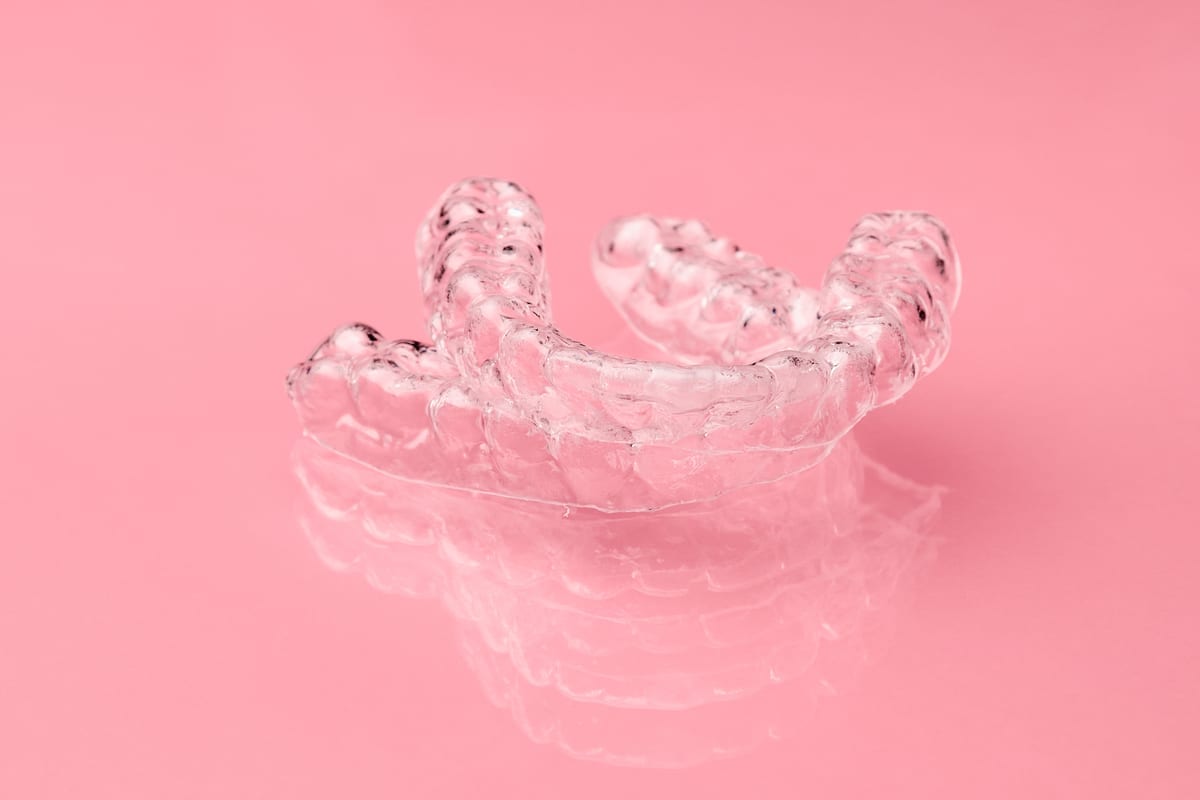
- Precisely fitted trays — Custom trays prevent gel from leaking onto your gums, which is a major cause of irritation.
- Controlled application time — Professional oversight means the gel is never left on longer than necessary.
- Post-treatment fluoride — A fluoride application after whitening helps remineralize enamel and close tubules faster.
Each of these steps targets a specific cause of sensitivity. Combined, they make a significant difference in how comfortable your whitening experience feels. Most of our Shadyside patients report little to no discomfort when following our protocol.
What You Can Do at Home to Reduce Whitening Sensitivity
Your at-home habits play a big role in how your teeth respond to whitening. Dr. Hanlon gives every whitening patient a clear set of home-care instructions. Following them reduces sensitivity and improves your results.
Start using a sensitivity toothpaste at least two weeks before your whitening appointment. These toothpastes contain compounds that block dentinal tubules over time. Brands containing potassium nitrate or stannous fluoride work best for this purpose.
During your whitening treatment period, try these practical steps:
- Avoid very hot or very cold foods and drinks for 48 hours after each whitening session.
- Use a soft-bristled toothbrush and brush gently — aggressive brushing worsens sensitivity.
- Skip highly acidic foods like citrus and vinegar-based dressings for at least 24 hours post-treatment.
- Apply a small amount of sensitivity toothpaste directly to your teeth and leave it for a few minutes before rinsing.
- Space out whitening sessions to give your teeth time to recover between treatments.
These steps are simple but genuinely effective. Patients who follow this routine consistently report far less discomfort than those who skip preparation. A little planning before your appointment goes a long way.
Who Should Be Cautious About Teeth Whitening?
Whitening is safe for most healthy adults. However, certain conditions require extra care or an alternative approach. Knowing your situation helps you and Dr. Hanlon make the best decision together.
Patients with active cavities should address those before whitening. Peroxide gel can irritate exposed dentin inside a cavity. Similarly, patients who need Root Canals Pittsburgh treatment should complete that first, since infected teeth respond poorly to whitening agents.
Crowns, veneers, and bonding do not whiten — only natural tooth enamel responds to peroxide. If you have visible dental restorations, whitening may create an uneven color result. Dr. Hanlon discusses this openly during your consultation so there are no surprises.
Pregnant patients are advised to postpone whitening until after delivery as a precautionary measure. Teens under 16 should also wait, as their pulp chambers are still developing. For everyone else, the process is straightforward and very manageable with professional guidance.
Is Professional Whitening Worth It Compared to Store-Bought Options?
Store-bought whitening products are widely available and affordable. But they come with limitations that matter when sensitivity is a concern. Most over-the-counter products use weaker peroxide concentrations, which means longer application times to achieve results.
Longer application time means more prolonged exposure for your enamel and gums. This often leads to more sensitivity, not less. The trays included in at-home kits are also generic — they allow gel to pool against your gum tissue, causing irritation and inflammation.
Professional Cosmetic Dentistry Pittsburgh treatments offer faster results with better controls. You spend less time with gel on your teeth and more time enjoying your brighter smile. The customized approach also means your specific sensitivity concerns are factored in from the very beginning.
At Omni Dental Shadyside, we also offer take-home professional kits for patients who prefer whitening on their own schedule. These kits use custom trays and professional-grade gel — a significant upgrade from anything you find at a pharmacy. You get the flexibility of home whitening with the safety of professional supervision.
Conclusion: A Brighter Smile Without the Pain
Sensitivity should not stand between you and a confident, bright smile. Understanding why whitening causes sensitivity — and how to prevent it — puts you in control of your experience. At Omni Dental Shadyside, Dr. Justin Hanlon and our team take every precaution to make whitening comfortable for Pittsburgh patients. We evaluate your teeth, customize your treatment, and support you every step of the way. Book Now to schedule your appointment with our team.
Frequently Asked Questions
How long does teeth whitening sensitivity last?
Sensitivity from professional teeth whitening typically lasts 24 to 48 hours after each session. Using a desensitizing toothpaste and avoiding temperature extremes helps speed up recovery. Most patients find the discomfort mild and manageable with these simple steps.
Can I whiten my teeth if I already have sensitive teeth?
Yes, but extra precautions are necessary. Dr. Hanlon will evaluate the cause of your existing sensitivity before recommending a whitening approach. Lower-concentration gels, desensitizing pre-treatments, and shorter application times make whitening possible even for sensitive patients.
Does professional whitening hurt more than store-bought whitening?
Professional whitening is generally more comfortable than store-bought alternatives. Custom trays prevent gel from irritating your gums, and professional-grade formulas are applied for shorter, more controlled periods. The entire process is supervised, which reduces the risk of overexposure and discomfort.
How often can I safely whiten my teeth?
Most dentists recommend whitening no more than once or twice per year for in-office treatments. Touch-up treatments can be done more frequently with lower-concentration take-home kits. Dr. Hanlon will recommend a whitening schedule that protects your enamel while maintaining your results.
Will whitening work on crowns or veneers?
Whitening agents only work on natural tooth enamel. Crowns, veneers, and composite bonding will not change color with whitening treatments. If you have restorations in visible areas, Dr. Hanlon will discuss your options to achieve a consistent, even smile color.